
If you’re just starting out in trading, the most important thing is to avoid overwhelming yourself.
Begin small. Limit yourself to one contract per trade and no more than one or two trades per week. The goal is to ease into the process, learn how the market moves, and build confidence without taking big risks.
Paper Trading vs Real Money
Many beginners start with a paper trading account to practice. While this can be helpful, it has limitations. Winning on paper can make you overconfident, and losing on paper might discourage you too easily.
In many cases, small real-money trades teach you more. When you lose a small amount, it’s manageable and motivates you to improve. When you win, it feels real — but remember to stay grounded and consider reinvesting your net profits into long-term stocks.
The Ideal Broker Setup
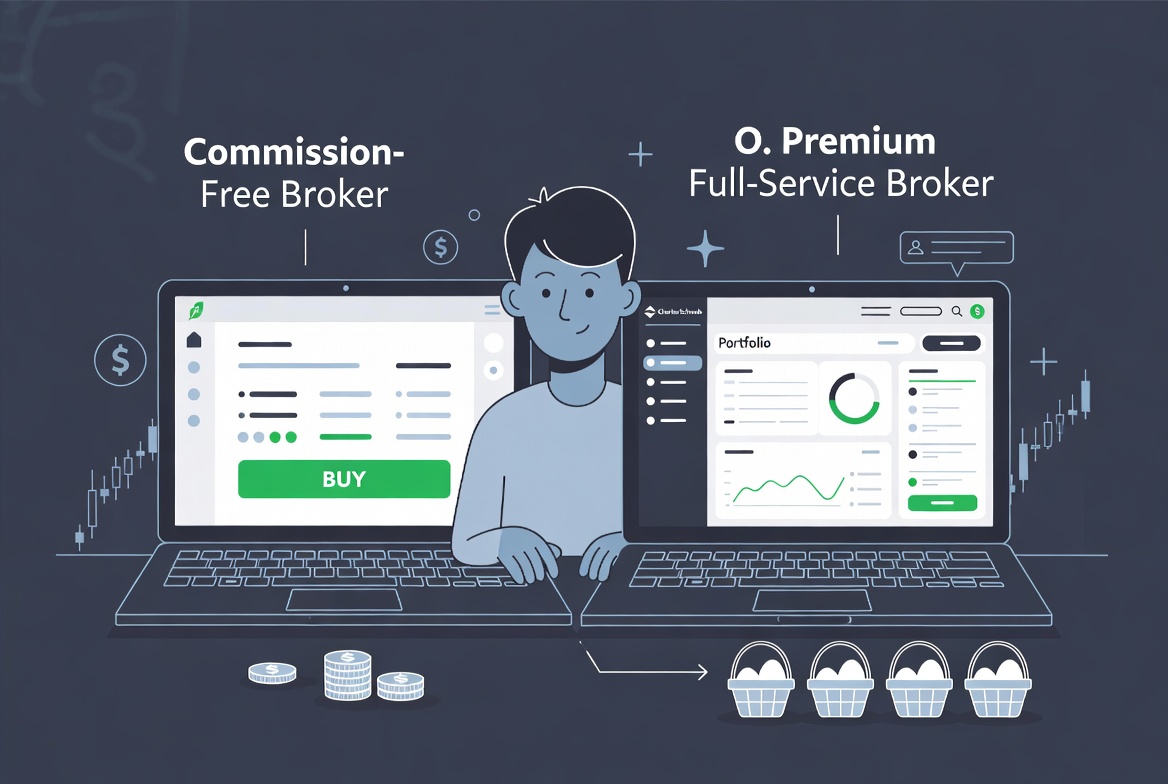
As you begin, it’s smart to work with two different types of brokers:
1. A Commission-Free Broker Platforms like Robinhood, Trade Republic, Saxo, IG, or Interactive Brokers offer zero-commission trades. These are excellent for beginners and small accounts. Keep in mind that “free” trades sometimes come with slightly worse execution prices or hidden costs.
2. A Premium Full-Service Broker Brokers such as Charles Schwab or Fidelity provide better order execution, superior research tools, a wider range of products, and excellent customer support. These become more valuable as your portfolio and trade size grow.
Why Use More Than One Broker?
Using multiple brokers is like diversifying your portfolio. It gives you:
- Protection against platform issues or settlement risks
- Access to different tools and features
- More flexibility as your needs evolve
Never put all your eggs in one basket — especially when it comes to brokers.
Share Your Experience
What country do you live in? Drop your location in the comments — other members can share their real experiences and recommend the best brokers available in your region.

Comments