

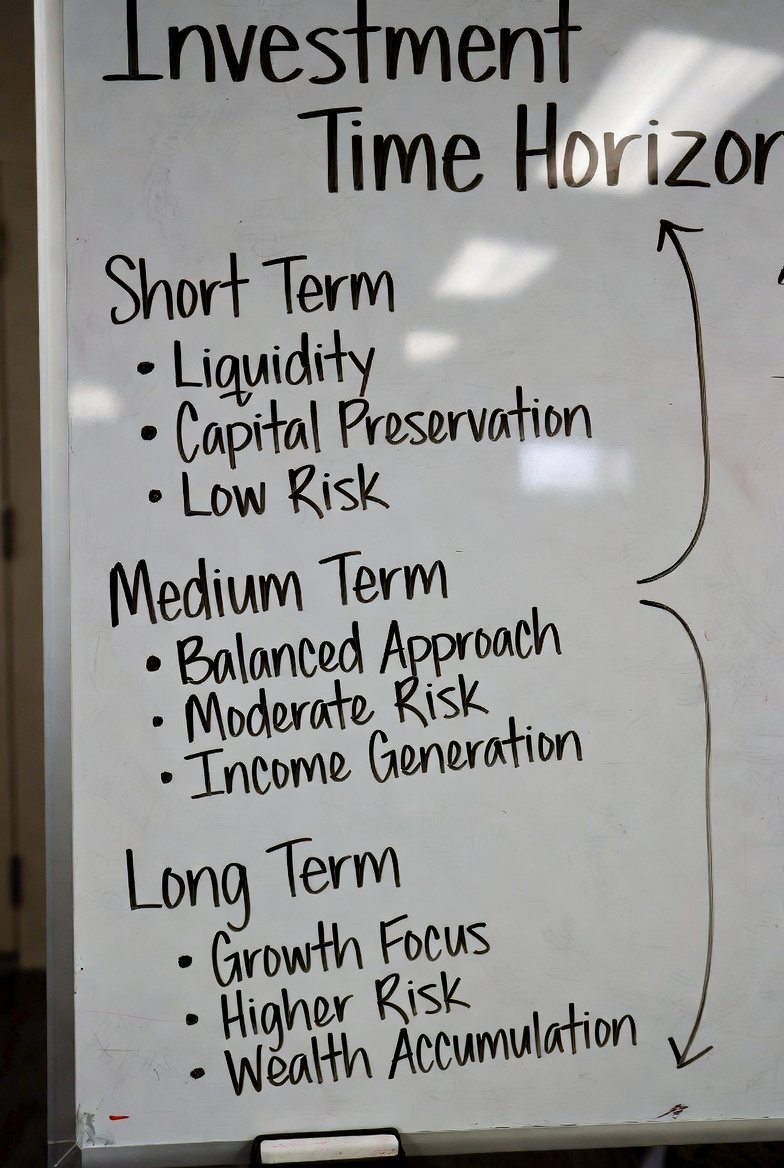
One of the most common mistakes new investors make is using the wrong signal for their intended holding period.
At AIPicks, we provide signals across three distinct time horizons. Understanding each one will help you trade with better timing and lower risk.
1. Earnings Prediction (Short-Term)
This signal focuses on short-term price moves triggered by earnings reports.
- Typical Timeframe: Usually within 1 day after the earnings release.
- Possible Extension: If the market reaction is strong and the overall S&P 500 trend supports it, the move can last up to a few weeks.
These signals are ideal when you want to capitalize on the immediate market reaction to earnings news.
2. Short-Term Dips & Jumps
This strategy is about buying fear and selling greed — taking advantage of temporary overreactions in the market.
- Typical Timeframe: 1 week to 1 month
You’re looking for stocks that have been beaten down due to short-term negative sentiment or that have spiked too quickly due to hype. The goal is to buy undervalued dips or sell into strength when the market overreacts.
3. Market (Greed & Fear / VIX)
This signal focuses on broader market sentiment and volatility, often driven by macro news, economic data, or the VIX (fear index).
- Typical Timeframe: Short-term trading and hedging opportunities
It helps you understand the overall market mood — whether investors are feeling greedy (risk-on) or fearful (risk-off). This is especially useful for timing entries, exits, or protecting your portfolio during uncertain periods.
Why Time Horizon Matters
Each short-term strategy has a different optimal timeframe.
Using the wrong signal for your goal can lead to poor timing, unnecessary stress, and avoidable losses.
For example:
- Don’t use an Earnings Prediction signal for a 3-month hold.
- Don’t treat a Short-Term Dip signal as a long-term investment.
Key Rule: Always match the signal to your intended holding period.

Comments